Signs Your Keller Pool May Be Leaking
Some leaks are obvious. Others hide for months behind what looks like normal water loss. Knowing what to watch for helps you act before minor seepage becomes a structural problem.
Common warning signs include:
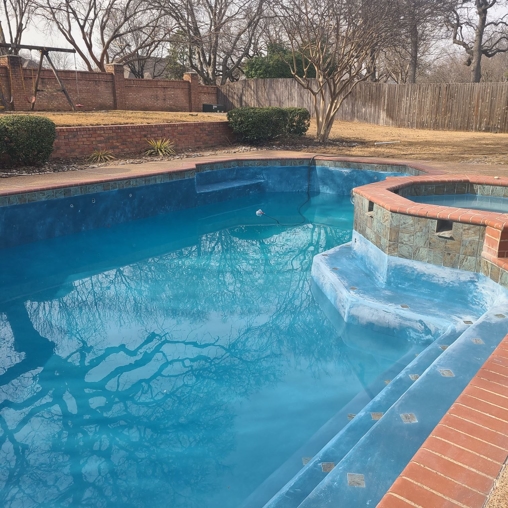
- Unexplained water loss beyond what evaporation accounts for in a typical North Texas summer
- Dampness, soggy ground, or puddles around the pool deck or near the equipment pad
- Higher water bills from frequent refilling without an obvious cause
- Visible cracks in pool plaster, tile, or concrete
- Sinking or shifting of the pool deck
- Air bubbles in the pump, which can indicate a suction-side leak in the plumbing
- Unexplained algae growth, sometimes caused by water chemistry imbalance from ongoing water intrusion or loss
For a simple at-home check before calling, try the bucket test. Fill a bucket with pool water to the same level as the pool, set it on a step, and compare water loss after 24 to 48 hours. If the pool drops more than the bucket, a leak is likely rather than evaporation.
Common Causes of Pool Leaks
Leaks can originate from almost any part of a pool system. Understanding the most likely sources helps narrow down where the problem may be hiding.
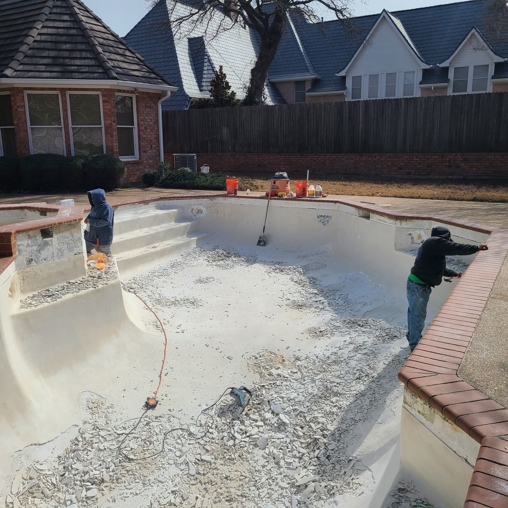
- Cracked Pool Shell: Ground shifting and long-term settling, accelerated by North Texas clay soil conditions, can crack gunite or concrete shells and allow water to escape gradually.
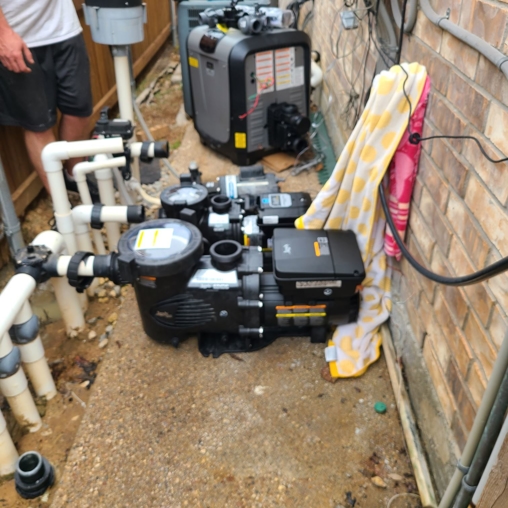
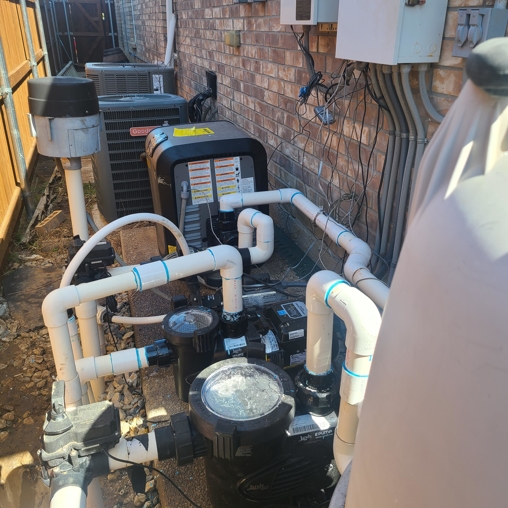
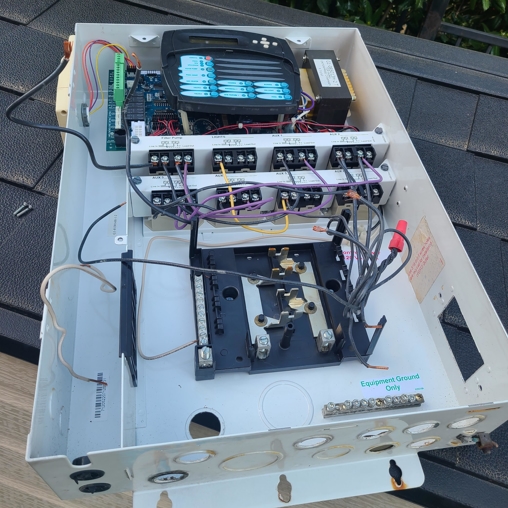
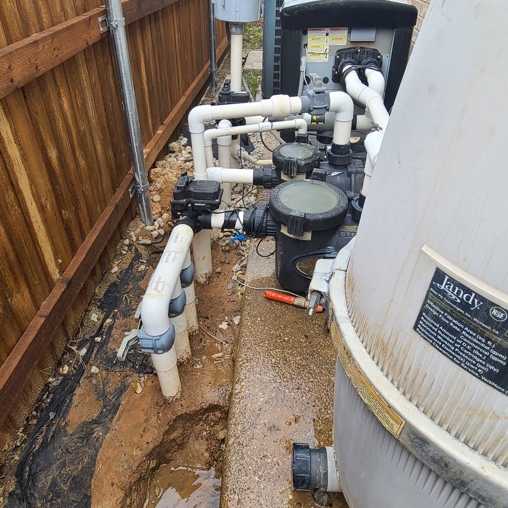
- Worn Equipment Seals and Gaskets: Pumps, filters, and heaters rely on seals and gaskets that degrade over time. Failed connections at the equipment pad are a frequent and easily overlooked source.
- Underground Plumbing: Leaks in buried pipes or fittings are common and nearly impossible to detect visually without the right tools.
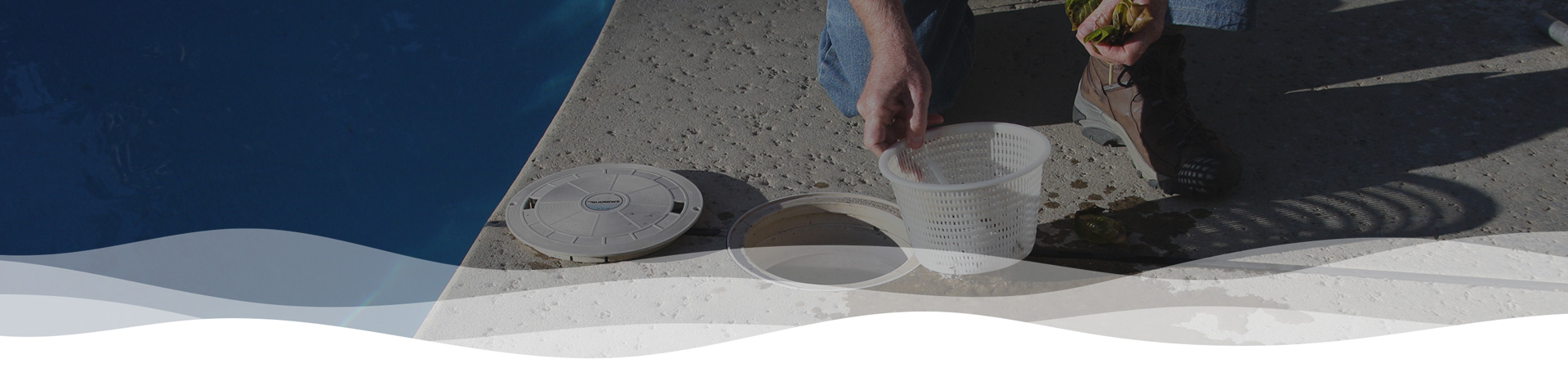
- Damaged Skimmer or Main Drain Seals: Skimmer throats and main drain seals wear with normal use. When they fail, water escapes around the fitting rather than through it.
- Vinyl Liner Tears: Punctures or tears in vinyl liners appear most often near steps, corners, or skimmer throats where stress concentrates.
- Pool Light Niche and Conduit Seals: Aging or improperly installed light niches are a less obvious but real source of water loss, particularly in older pools.
How We Detect Pool Leaks in Keller
No single tool finds every type of leak, so we use a systematic, multi-method process. Our team works through the pool from the equipment pad to the shell, covering all common failure points before drawing any conclusions.
Our detection toolkit includes three primary methods:
- Electronic Listening Equipment: Acoustic listening devices detect the sound of water escaping through plumbing lines and pool structure, letting us narrow a leak location without excavation.
- Pressure Testing: Underground plumbing lines are pressure-tested to identify drops that indicate a breach in the pipe or fittings. This isolates which line is affected before any digging begins.
- Dye Testing: Pool-safe dye is introduced near suspected areas, including cracks, seams, skimmer throats, and light niches. If water is escaping, the dye moves with it and confirms the location visually.
We inspect all primary leak points: the pump and equipment pad, return and suction lines, main drain, skimmers, pool lights, and the pool shell. The goal is a clear picture of where water is going and what it can take to stop it.
Preventive Maintenance Keeps Small Problems Small
Leak detection solves the immediate problem. Preventive pool maintenance helps make sure smaller issues don’t grow into the next one. Routine inspections, cleanings, and equipment adjustments catch wear before it becomes failure, extend the life of pumps and filters, and keep water chemistry stable for a safe swimming environment. Ask about our maintenance plans when you schedule your leak detection assessment.
Schedule Pool Leak Detection in Keller
If your pool is losing water or showing any of the warning signs above, don’t wait for the problem to get expensive. Our licensed, background-checked team is ready to assess your pool, identify the source, and can walk you through the next steps without a second contractor involved.
Contact Splishin’ and a Splashin’ Pools today by calling (817) 993-4899 or submitting an online contact form to schedule your pool leak detection service in Keller.